
Introduction: The Power of Collective Healing
Understanding the Role of Peer Support in Recovery
Peer support groups serve as a cornerstone in the addiction recovery process. They provide a non-judgmental platform for individuals to share experiences, which fosters mutual understanding and empathy. The role of peer support in recovery cannot be overstated – these groups create a sense of community and belonging while reducing the feelings of isolation often associated with addiction. Within intensive outpatient programs, peer support encourages participants to engage actively in their recovery and build resilience through collective wisdom and shared experiences.
Delray Beach: A Community Committed to Recovery
Delray Beach is renowned for its vibrant recovery community and its commitment to helping individuals achieve lasting sobriety. The city’s community support networks are instrumental in ensuring that individuals do not walk their path to recovery alone. A unique blend of beautiful surroundings, professional access, and community-driven support creates an environment that is genuinely conducive to healing. As part of the greater Palm Beach County, Delray Beach offers robust recovery resources that contribute to the high success rates of its intensive outpatient programs.
The Intersection of Peer Support and Intensive Outpatient Programs
At the heart of Delray Beach’s success in addiction recovery lies the integration of peer support within its intensive outpatient programs. Programs such as those offered by Delray Beach Intensive Outpatient Programs use peer groups to bolster traditional treatment methods. Including peer support in IOPs not only enhances treatment effectiveness but also tailors recovery to meet diverse individual needs. Through consistent participation in peer-led groups, individuals can draw on the strength of collective healing, improving their overall treatment outcomes.
The Dynamics of Peer Support in IOP
Building Trust and Accountability in Recovery Groups
Trust serves as the foundation for any effective peer support group. Establishing an environment where participants feel safe to share is key to a group’s success. Within these groups, members hold each other accountable throughout their recovery journey, fostering a sense of responsibility and community. As individuals open up about their struggles, they learn the value of honesty and authenticity – qualities that benefit their own recovery and reinforce the group’s cohesion.
Harnessing Group Dynamics for Enhanced Recovery Outcomes
The power of group dynamics in peer support settings is significant. By drawing on these dynamics, facilitators and participants create a supportive atmosphere that empowers each member. Through collective discussions and activities, individuals gain fresh perspectives and new insights into their challenges, driving stronger recovery outcomes. In Delray Beach IOPs, this approach is especially effective because it combines structured therapy with the organic support that comes from group members.
Shared Experiences: The Foundation of Emotional Support
Shared experiences form the bedrock of emotional support in peer groups. Recognizing that others have walked similar paths helps dismantle feelings of isolation and shame. Participants in peer support groups find comfort in knowing they are not alone, creating a solid foundation for emotional healing. Such groups foster camaraderie and unity – both of which are essential for long-term recovery.
Peer Mentorship: A Catalyst for Personal Growth
Peer mentorship plays a pivotal role in the personal growth of individuals in recovery. Mentors who have successfully navigated their own recovery serve as living proof of what is possible and offer practical guidance to those in earlier stages. This dynamic creates a reciprocal relationship where both mentors and mentees benefit, promoting growth and self-realization that are essential for sustainable recovery.
Transformative Benefits of Peer Support Groups
Empowerment through Shared Healing Journeys
Being part of a peer support group empowers individuals by validating their experiences and encouraging self-expression. As members share their healing journeys, they inspire one another to take ownership of their recovery. This empowerment is crucial – it instills confidence and helps individuals recognize their innate strengths and resilience. Programs focused on rebuilding identity further reinforce this sense of self-worth, helping participants move forward with purpose.
Interpersonal Skills Development in Group Settings
Interpersonal skills are strengthened as participants engage with one another in group settings. These interactions teach effective communication, conflict resolution, and emotional regulation – skills that are essential not only for recovery but for everyday life. Enhanced interpersonal skills contribute to more harmonious personal and professional relationships, further supporting long-term recovery efforts.
Community Support: A Pillar of Relapse Prevention
Community support is a critical component of relapse prevention strategies. By creating a network of support, peer groups serve as a safety net for individuals facing life’s challenges. The collective wisdom and encouragement offered by group members provide practical advice and emotional backing, reducing the likelihood of relapse. In Delray Beach, these support systems form an integral part of recovery programs, ensuring individuals have the resources they need to maintain sobriety.
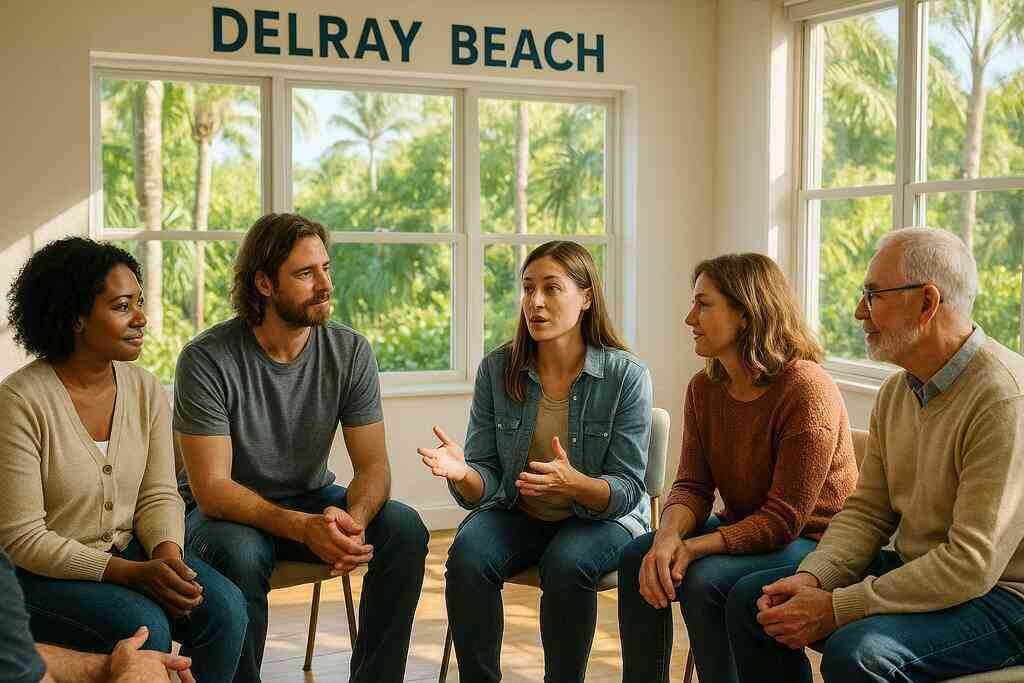
Creating Supportive Recovery Environments in Delray Beach
Creating supportive environments in recovery settings is crucial for fostering healing. In Delray Beach, recovery centers prioritize spaces that are both physically and emotionally nurturing. These environments are designed to meet diverse recovery needs, ensuring that each individual feels valued and supported. Through carefully developed programs, Delray Beach remains at the forefront of effective addiction recovery solutions.
Strategies for Maximizing IOP Success through Peer Support
Integrating Holistic Approaches in Group Therapy
Incorporating holistic recovery practices into group therapy can significantly enhance treatment effectiveness. Holistic approaches focus on the whole person, addressing physical, emotional, and spiritual needs to promote overall well-being. Delray Beach IOPs use these strategies to complement traditional therapeutic methods, creating a more comprehensive recovery approach that resonates with a wide range of individual needs and preferences.
Leveraging Social Connections for Sustained Recovery
Social connections formed in peer groups serve as enduring lifelines for individuals in recovery. Strong social networks provide emotional support, increase feelings of belonging, and reduce the temptation to fall back into old habits. These connections become a critical component of an individual’s support system throughout their ongoing recovery journey. Learning coping skills alongside peers further reinforces these bonds and equips individuals with practical tools for daily life.
Collaborative Efforts in Therapeutic Communities
Therapeutic communities thrive on collaboration and mutual support. In these settings, the collective efforts of the group are designed to promote healing and personal growth for every member. Each participant contributes to the community, ensuring that everyone’s needs are addressed in a comprehensive and unified way. Such collaborative environments foster a sense of belonging and empowerment, both of which are essential for achieving lasting recovery outcomes.
Innovative Peer-Led Support Meetings
Innovative peer-led support meetings offer fresh perspectives on traditional support methods. These meetings allow individuals to take ownership of their recovery journey and encourage meaningful engagement. By providing leadership opportunities within a supportive framework, peer-led meetings cultivate a sense of responsibility and self-efficacy among participants. Such approaches continue to strengthen recovery efforts and reinforce the effectiveness of IOPs in Delray Beach.
Conclusion: The Future of Peer Support in Delray Beach IOP
The Evolving Role of Peer Support in Rehabilitation
Peer support’s evolving role in rehabilitation reflects a growing recognition of its significant impact on recovery outcomes. As more individuals and programs embrace peer support, its influence will continue to expand, offering dynamic and adaptable solutions to addiction recovery. By staying at the forefront of these developments, Delray Beach Intensive Outpatient Programs set a benchmark for excellence in integrating peer support into structured treatment.
Continuing the Journey: Beyond Intensive Outpatient Programs
Recovery is an ongoing journey that extends well beyond participation in intensive outpatient programs. Delray Beach ensures that individuals have access to continued support through a variety of programs and community resources. This ongoing commitment to recovery underscores the importance of peer support in maintaining sobriety and achieving personal wellness goals. Exploring resources like group therapy and family therapy can provide additional layers of support as individuals move forward.
Building a Resilient Recovery Community in Delray Beach
Building a resilient recovery community requires dedication, collaboration, and a shared vision for success. As Delray Beach continues to cultivate its thriving recovery landscape, peer support will remain central to its mission. By fostering resilience and advocating for comprehensive, supportive environments, Delray Beach sets an inspiring example for other recovery communities. Through these efforts, individuals are empowered to reclaim their lives and contribute positively to society.
Frequently Asked Questions
Question: How do peer support groups enhance recovery outcomes in intensive outpatient programs at Delray Beach?
Answer: Peer support groups play a pivotal role in enhancing recovery outcomes within intensive outpatient programs at Delray Beach. These groups provide a sense of community and belonging, which is crucial for individuals managing substance abuse. By drawing on shared experiences and collective healing, participants feel empowered and more resilient, which significantly contributes to their recovery journey. The peer-led structure fosters accountability, trust, and emotional support, effectively complementing traditional treatment methods and improving overall success rates.
Question: What strategies does Delray Beach Intensive Outpatient Programs employ to integrate peer support within IOP?
Answer: Delray Beach Intensive Outpatient Programs incorporate several strategies to integrate peer support effectively within their IOPs. These strategies include creating supportive recovery environments, incorporating holistic recovery approaches, and organizing innovative peer-led support meetings. By aligning peer support with professional therapeutic services, participants benefit from a comprehensive, individualized recovery plan. The program values the empowerment that comes from shared healing journeys, fosters interpersonal skills, and emphasizes community support as a pillar of relapse prevention.
Question: How do group dynamics contribute to the success of Delray Beach’s peer support groups as outlined in the blog ‘How Peer Support Groups Improve IOP Outcomes in Delray Beach’?
Answer: As detailed in the blog ‘How Peer Support Groups Improve IOP Outcomes in Delray Beach,’ group dynamics are essential in fostering an atmosphere of mutual support and understanding. In Delray Beach, these dynamics create a therapeutic community where collective healing and shared experiences empower individuals. Participants learn effective communication and conflict resolution, and build trust – all of which contribute to the group’s cohesion and overall success in the recovery process. Supportive interaction enhances emotional support and accountability, both of which are critical factors in sustaining long-term recovery.
Question: What role does peer mentorship play in personal growth during IOPs at Delray Beach?
Answer: Peer mentorship is a cornerstone of personal growth within intensive outpatient programs at Delray Beach. Experienced mentors provide guidance and inspiration to individuals in earlier recovery stages, offering practical advice and a sense of hope. This mentor-mentee relationship fosters a reciprocal bond that encourages personal insight and emotional growth, allowing participants to envision and work toward sustained sobriety. Such mentorship facilitates empowerment through peer support, helping individuals realize their potential and build confidence in their recovery journey.
Question: How does community support in Delray Beach IOP programs aid in relapse prevention?
Answer: Community support forms a critical part of relapse prevention strategies in Delray Beach’s IOP programs. By creating a networked support system, individuals receive continuous guidance and emotional backing that helps them navigate the challenges encountered in recovery. The collective wisdom shared within peer support groups provides practical insights and techniques for managing triggers and stressors, reducing the likelihood of relapse. The supportive recovery environment reinforced by community connections also helps individuals maintain a stable path toward lasting sobriety.
Ready to Start Your Recovery Journey?
Our compassionate admissions team is available 7 days a week to answer your questions and help you take the first step. All calls are 100% confidential.
888-694-0744